
Could a $16 billion technology development in Central Massachusetts eventually influence the Boston housing market?
The Kraft Group is proposing a massive data center campus in Sutton, Massachusetts, that could become one of the largest facilities of its kind in the country. With approximately 2.5 million square feet of proposed development and potentially millions in new property tax revenue, the project raises interesting questions about economic growth, infrastructure, and real estate.
If you’re thinking about buying a home in Boston or relocating to Greater Boston, this is a development worth understanding.
Why Massachusetts Is Attracting Major Technology Investments
Greater Boston has long been associated with universities, research, healthcare, and technology. Now, growing demand for artificial intelligence infrastructure is creating another potential opportunity for investment in Massachusetts.
Data centers house the computing equipment that supports cloud services, digital platforms, and AI applications. As demand for those services increases, companies need additional infrastructure to support them.
However, Massachusetts presents challenges for large data center developments, including relatively expensive electricity, land, and construction.
That’s what makes the Sutton proposal noteworthy.
According to The Boston Globe’s November 10 report, the project could introduce a new level of large-scale data center investment to Massachusetts.
For Boston real estate buyers, the important distinction is that economic development and housing development are not the same thing.
A multibillion-dollar technology investment may create construction activity and economic opportunities, but that doesn’t automatically translate into more homes, lower housing prices, or increased residential inventory.
Understanding that distinction matters when evaluating the Greater Boston real estate market.
What’s Being Proposed in Sutton, Massachusetts?
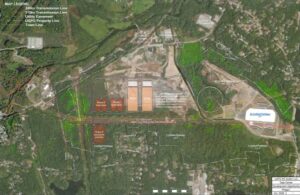
The Kraft Group and Unified Global Packaging Group are proposing a data center campus in Sutton, approximately 10 miles south of Worcester.

Here are the key details of the proposal as of November 11, 2026:
- Estimated investment: More than $16 billion
- Location: Sutton, Massachusetts, near Boston Road and Providence Road
- Proposed size: 10 buildings totaling approximately 2.5 million square feet
- Electricity demand: Approximately 900 megawatts at full development
- First anticipated buildings: 2029, if approved
- Projected completion: 2033
- Estimated annual property tax revenue: Approximately $27.8 million by fiscal year 2035
One particularly interesting part of the proposal involves property taxes.
According to reporting from CBS Boston, Sutton Town Manager Austin Cyganiewicz estimated that the project could generate approximately $27.8 million annually in property taxes once fully developed and assessed.
Under the town’s financial projections, that additional revenue could potentially reduce the average single-family homeowner’s annual property tax bill by approximately $5,800 in fiscal year 2035 compared with the projected bill without the development.
But here’s the important detail: those savings are projections, not guaranteed reductions.
The project has not been approved, and no formal application had been filed as of November 11, 2026.
Officials and residents are also considering questions involving electricity demand, water consumption, noise, and the surrounding environment.
The Boston Business Journal’s reporting, republished by NBC Boston, emphasizes the preliminary nature of the proposal.
What Could This Mean for Boston Homebuyers?

If you’re considering buying a home in Boston or one of its surrounding communities, this development offers a useful reminder: major investments can influence regional growth without directly changing local housing supply.
The Sutton campus is not a residential project. It would not add condominiums, apartments, or single-family homes to the Boston housing market.
However, if the project proceeds, it could contribute to regional economic activity through construction, infrastructure investment, and ongoing operations.
Whether that activity eventually influences housing demand would depend on factors such as employment, commuting patterns, and where workers choose to live.
There is currently no verified evidence that the proposed Sutton project will increase or decrease home prices in Boston, Newton, Brookline, Wellesley, or Needham.
For buyers, it’s also important to recognize the geographic difference. Sutton is in Central Massachusetts, rather than Boston’s immediate residential market. Its potential property tax benefits would apply to Sutton’s municipal finances, not automatically to neighboring communities.
When comparing Boston homes for sale with properties in nearby towns, focus on the factors that directly affect your purchase: inventory, total ownership costs, property taxes, commuting needs, and the characteristics of each home.
For additional local perspective, explore why Newton’s housing market split into two distinct segments in 2026.
Frequently Asked Questions About the Sutton Data Center and Boston Real Estate
Will the $16 billion data center increase home prices in Boston?
There is no established evidence that the Sutton proposal will raise Boston home prices. Any eventual effect would depend on economic activity, employment, housing demand, and other market conditions. The development is still preliminary.
Could Sutton homeowners really save $5,800 in property taxes?
Potentially. As reported by CBS Boston, Sutton officials estimate that the completed project could reduce the average single-family homeowner’s projected annual property tax bill by approximately $5,800 in fiscal year 2035. The estimate depends on the project moving forward and the town’s financial assumptions.
Is the Sutton data center approved?
No. As of November 11, 2026, the proposal remains in its early stages. Local reporting on Sutton’s public meeting confirms that no formal application had been filed and no approval vote had taken place.
Does this development add housing to Greater Boston?
No. The proposal is for a technology infrastructure campus, not residential construction. It would not directly increase the supply of Boston homes for sale or new housing in Newton and nearby communities.
The Bigger Picture for Greater Boston Real Estate
The proposed Sutton data center illustrates how Massachusetts continues to attract attention for major technology investments while communities weigh the economic benefits against infrastructure demands.
For buyers, the takeaway is simple: regional growth matters, but your real estate decisions should be based on verified local market conditions rather than assumptions about a single development.
Thinking about moving to Boston, Newton, Brookline, Wellesley, or Needham? Visit MovingToNewtonMA.com to explore your options and connect with Katherine for practical, local guidance on finding the right home in Greater Boston.
#BostonRealEstate #BostonHousingMarket #GreaterBostonRealEstate #MovingToBoston #NewtonMA #MassachusettsDevelopment